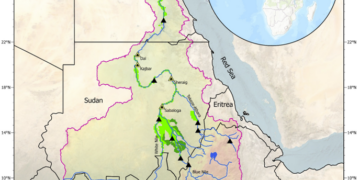
Demands for water, energy, and food are rapidly increasing in many low- and middle-income countries, driving the development of large-scale hydropower and irrigation projects. As climate change poses major risks and uncertainties for large-scale infrastructure investments, it is essential to stress-test infrastructure development plans to address these challenges and strengthen resilience. The Nile is one […]
Characteristics and survival of agrifood micro-, small and medium-sized enterprises in the Sudan’s recent conflict

The April 2023 outbreak of violent conflict in Sudan severely disrupted agrifood systems, markets, and livelihoods, with micro-, small and medium-sized enterprises (MSMEs) playing a critical role in sustaining food supply, employment, and economic activity. This paper examines firm-level characteristics associated with higher operational continuity among MSMEs that remained active during the conflict. The analysis […]
Agricultural recovery and resilience in Sudan: Findings from the THABAT Project baseline survey of farmers
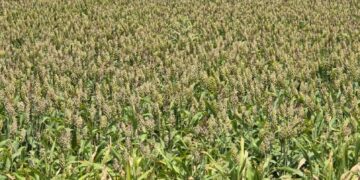
This report presents the findings from a baseline survey of farmers conducted as part of IFPRI’s impact evaluation of a sub-component of the food security component of the THABAT project in Sudan. The report documents farmers’ pre-intervention conditions across agricultural production, input access, climate-smart practices, food security, market conditions, and institutional trust in the three […]
Resilience of agricultural value-chains in Sudan: Findings from the THABAT Project Survey of Small- and Medium-sized Enterprises (SMEs)
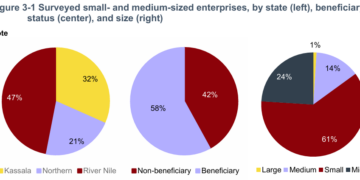
Sudan’s ongoing conflict has severely disrupted agricultural systems, markets, and rural livelihoods. In this context, resilience-oriented agricultural support remains critical for sustaining food production, protecting livelihoods, and supporting local economic recovery. The Sudan Enhancing Community Resilience Project (THABAT) provides resilience-oriented agricultural support that is critical for sustaining food production, protecting livelihoods, and supporting local economic […]
Farming in crisis: Livelihood challenges and resilience in conflict-affected Sudan: Insights from the Sudan 2024 Smallholder Farmers Survey
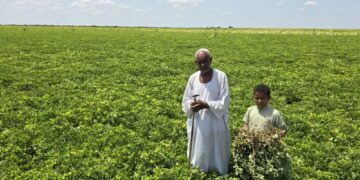
Sudan’s agricultural sector in 2026 is facing unprecedented challenges due to the ongoing conflict, economic instability, and climate-related shocks. These overlapping crises have severely disrupted farming activities, market systems, and rural livelihoods across the country. The situation is particularly critical for smallholder farmers, who form the backbone of Sudan’s food production and rural economy. This […]
- 1
- 2
- 3
- …
- 8
- Next Page »